Best Mushrooms to Grow at Home: How to Choose
Contents
This guide is structured around the decisions you actually have to make: how much difficulty you can stomach, whether you have outdoor space, and whether you're growing for the kitchen or the medicine cabinet. Every species below links to a full growing guide with substrates, fruiting conditions, and verified suppliers.
The easiest mushrooms to grow at home
If you've never grown a mushroom before, start with oyster mushrooms. They're rated difficulty 1 on our 1–5 scale for a reason — the mycelium colonizes faster than most contaminants can establish, the species fruits across a wide temperature range (55–75°F), and pre-inoculated kits will produce a harvest in 4–10 days from the moment you cut the bag. Oysters are also where you'll find the most variety: blue, pearl, pink, golden, and king all behave similarly enough that any kit is a reasonable first grow.
After oyster, the easiest species are:
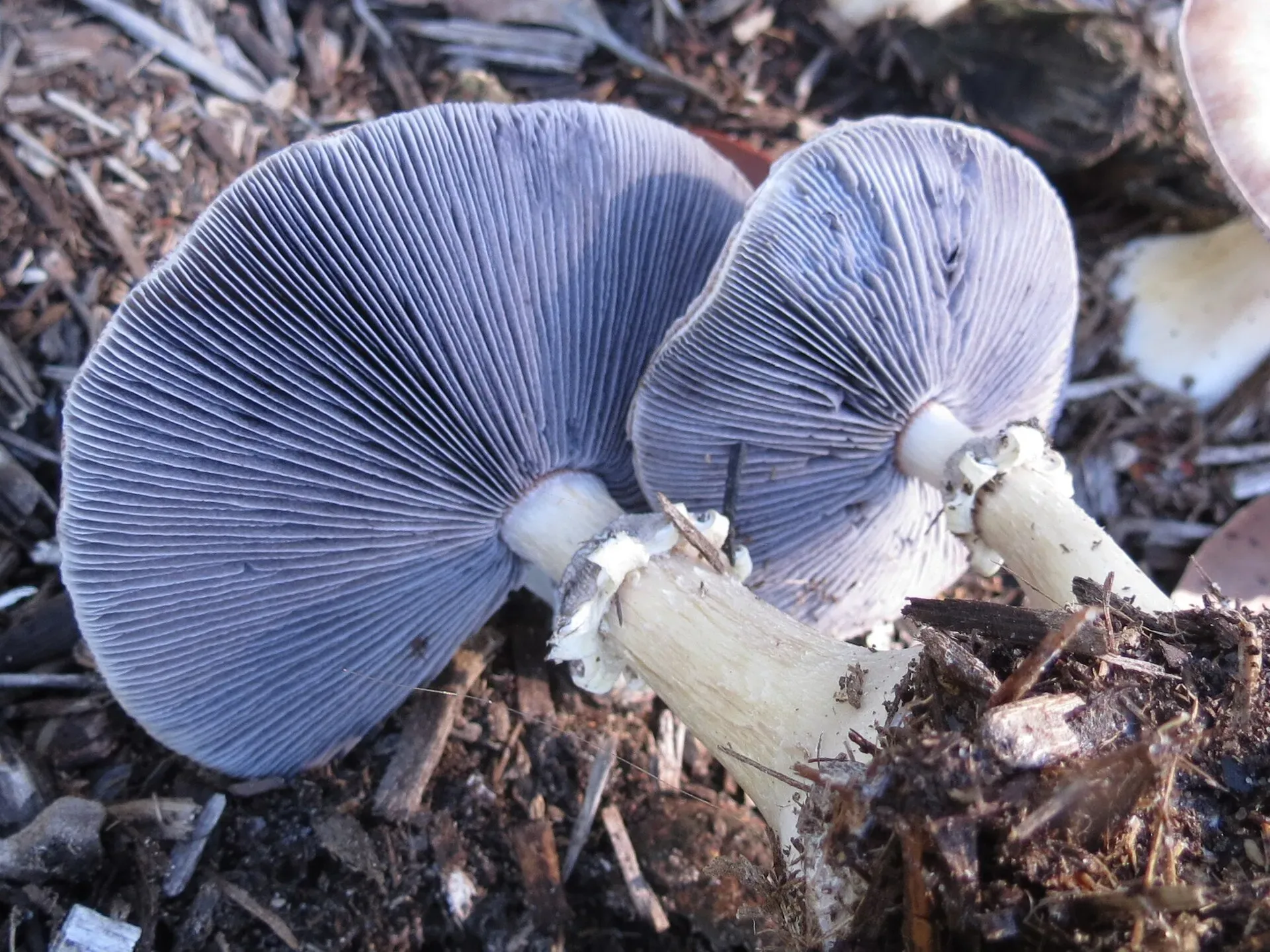
- King stropharia (also called wine cap) — difficulty 1.5, but outdoor-only. If you have a shaded patch of yard and a load of hardwood chips, this is genuinely the lowest-effort cultivation on the list.
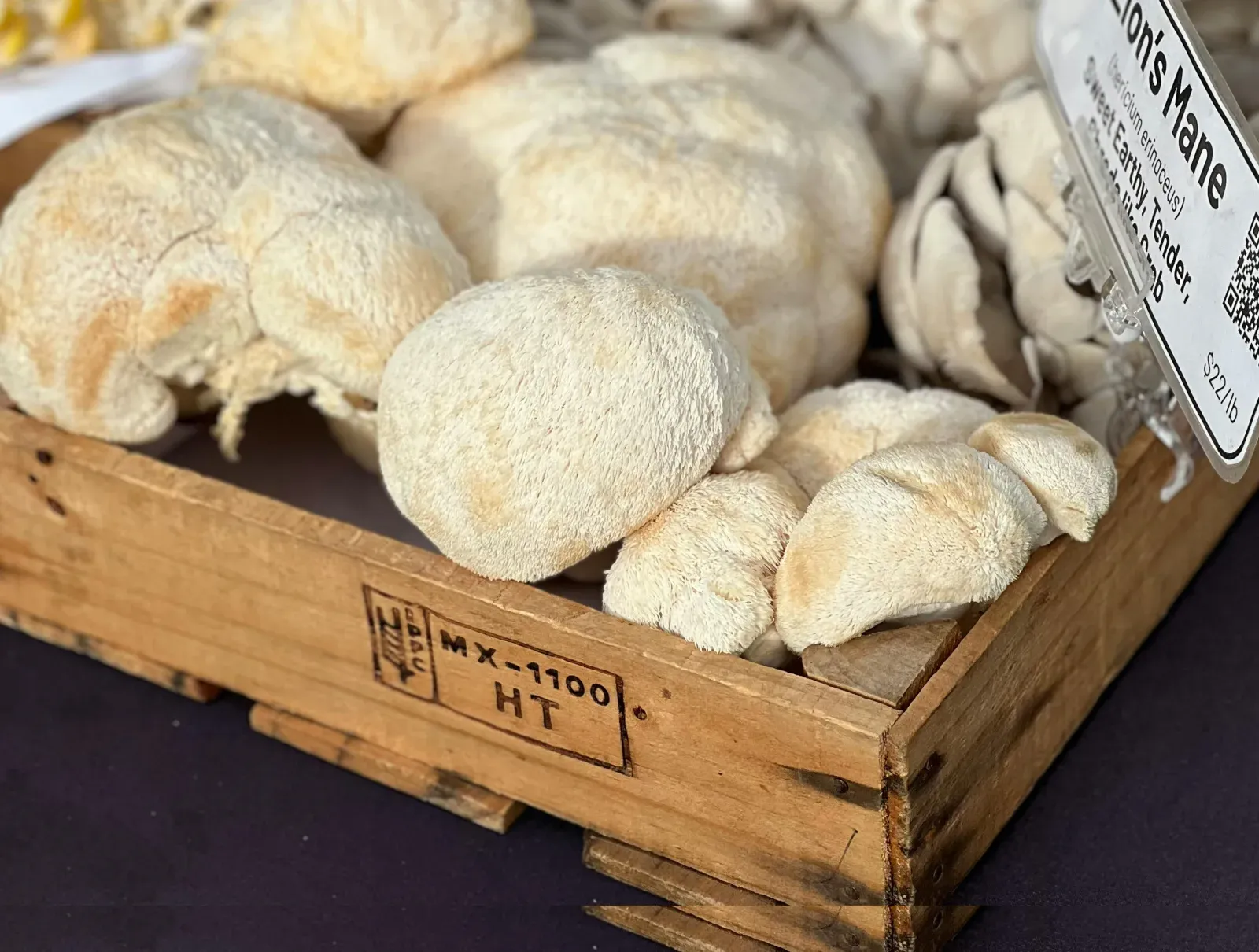
- Lion's mane — difficulty 2. Slightly fussier on humidity and fresh air than oyster, but the indoor block format works well and the payoff is a species that's expensive or unavailable in most grocery stores.
- Turkey tail — difficulty 2. Easy to grow, but it's medicinal, not culinary — you're growing it for tea and tincture, not the dinner plate.
Whatever you pick first, buy a kit before you buy gear. The point of a first grow is to confirm you actually enjoy the hobby; you can always graduate to bags and monotubs once you do.
Best mushrooms to grow indoors
Indoor cultivation usually means a kit, a pre-inoculated grow bag, or a monotub. The species that work in those formats:
- Oyster — works in every indoor format. The default beginner pick.
- Lion's mane — kit and bag formats are the standard. Wants 85–95% humidity at pinning and low CO2; don't soak the block longer than 5–10 minutes.
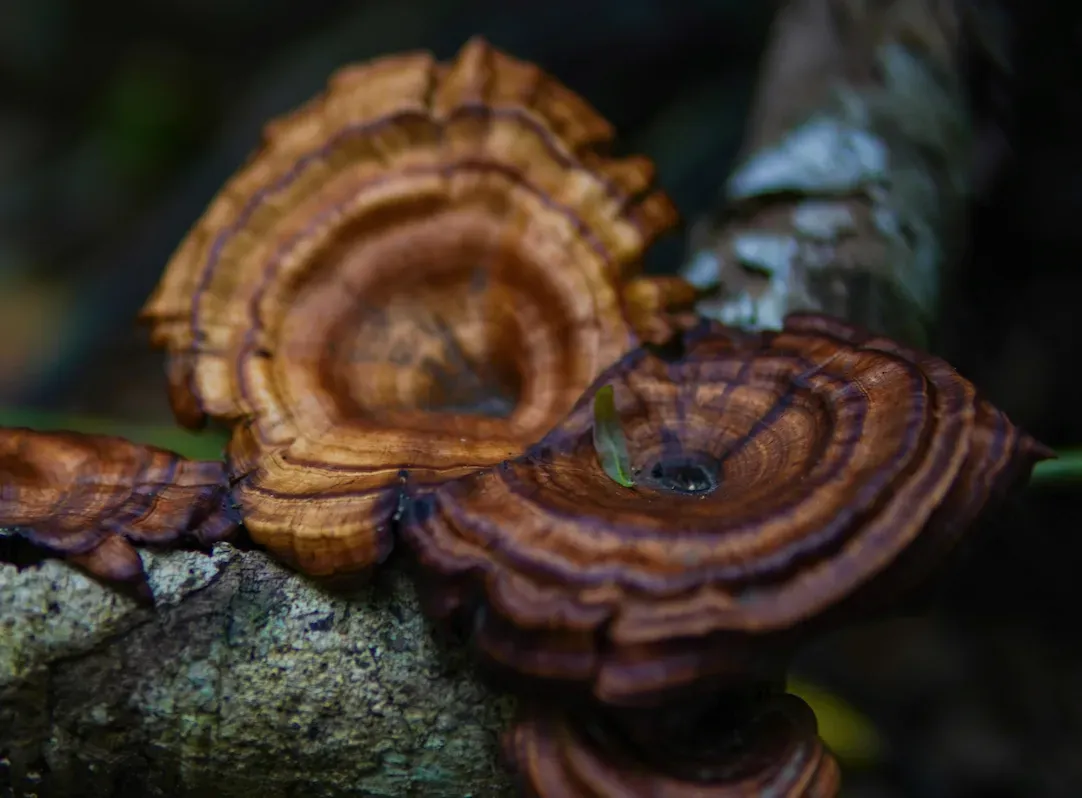
- Reishi — bag culture indoors works well. It runs warmer than the others (70–85°F fruiting), so a heat mat or a warm room helps in winter.
- Shiitake — supplemented sawdust bags will fruit indoors, but the species is at its best on outdoor logs (see below).
- Turkey tail — fruits on indoor bags, though the slow timeline means most growers eventually move it outside.
Best mushrooms to grow outdoors
Outdoor cultivation is the slow path. You'll wait months — sometimes more than a year — for your first harvest. But once a log or bed is established, it produces with almost no maintenance for several years. If you have the space and the patience, the math is excellent.
- Shiitake on hardwood logs — the signature outdoor cultivation. Drill, plug, wax, wait. First harvest 6–18 months out, then yearly flushes for three to five years.
- King stropharia in a woodchip bed — fruits within the first year, often the first season. Lowest-effort option on the list once the bed is built.
- Reishi on logs or buried totems — works outdoors in warm climates; produces the dramatic conk shapes that are hard to coax indoors.
- Turkey tail on logs — colonizes hardwood readily and produces for years.
- Morel — listed for completeness. The outdoor bed method exists, but failure rates are high enough that we don't recommend it as a real cultivation project. Read our honest morel guide before committing time or money.
Edible mushrooms to grow at home
The species worth growing for the kitchen — the ones that earn a place on a dinner plate, not in a teapot:
- Oyster — mild and savory; the most versatile of the cultivatable species. Pink oyster turns bacon-like when fried, golden is nuttier, blue and pearl are the workhorses.
- Shiitake — deep umami, smoky, woody, and meaty. The most cookable mushroom on the list and the one most likely to convert a skeptical eater.
- Lion's mane — sweet and seafood-like, often compared to crab or lobster. The culinary specialty of home growers.
- King stropharia — mild, nutty, and meaty; works as a portobello substitute and holds up in stir-fries.
- Morel — for the patient. The most prized flavor on the list, and the hardest species to actually produce.
Medicinal mushrooms to grow at home
These species are processed into teas, tinctures, and powders rather than cooked. They're tough, woody, or bitter — closer to herbs than vegetables — and the goal of growing them is the dried, processed material rather than fresh fruits.
- Reishi — the headliner medicinal mushroom. Bitter and woody; processed into tea and tincture. Grows on bags or logs.
- Turkey tail — the easiest medicinal species to cultivate. Common on hardwood logs and indoor bags.
- Lion's mane — straddles food and medicine. The nootropic-curious crowd grows it for the dried fruit body, while cooks grow the same blocks for the kitchen.
Types of mushrooms to grow
Below is every species we currently cover, sorted by difficulty. Each card links to a full growing guide with substrates, fruiting conditions, harvest timing, and verified suppliers.
Black Pearl Oyster Mushroom
Pleurotus ostreatus × P. eryngii
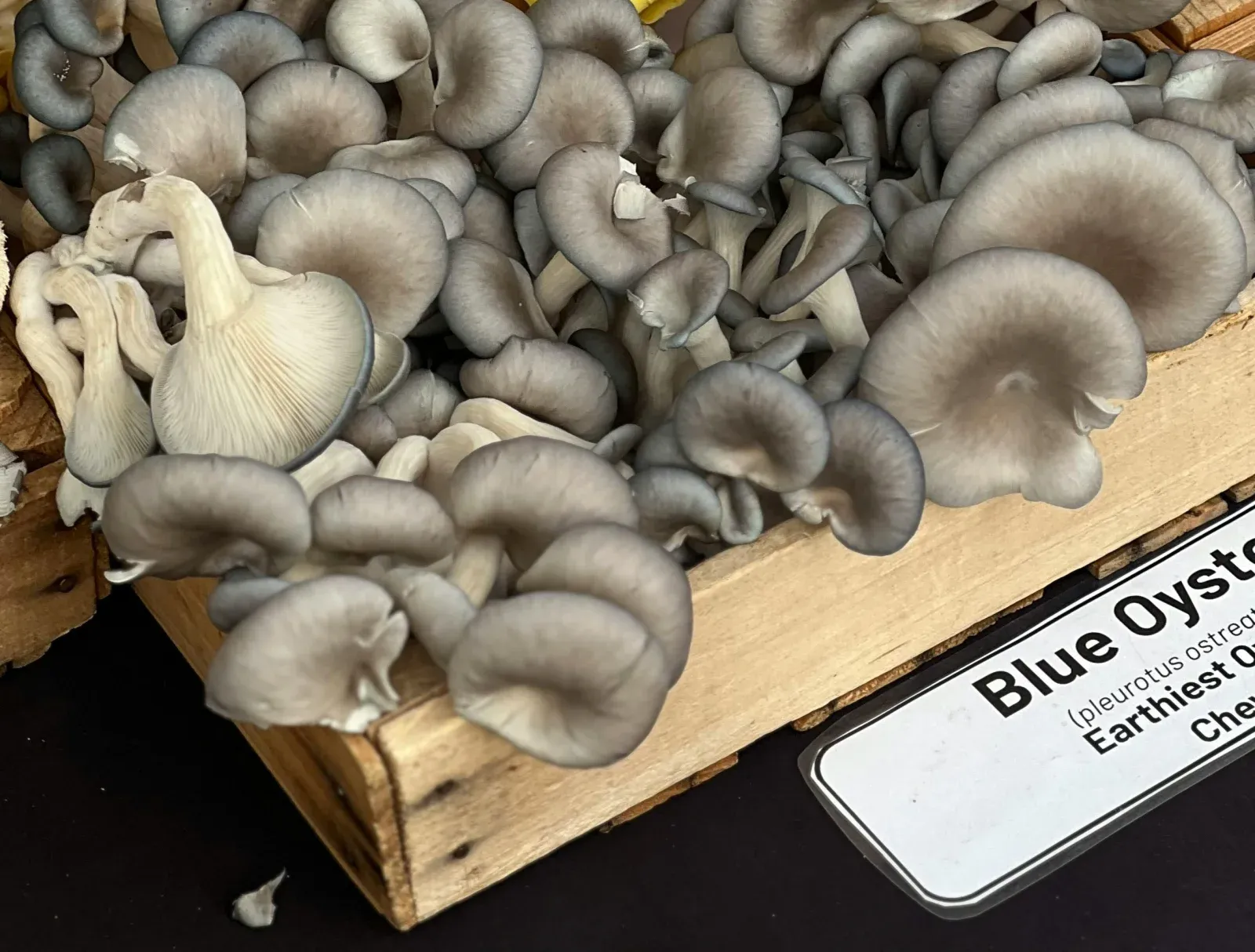
Blue Oyster Mushroom
Pleurotus ostreatus var. columbinus
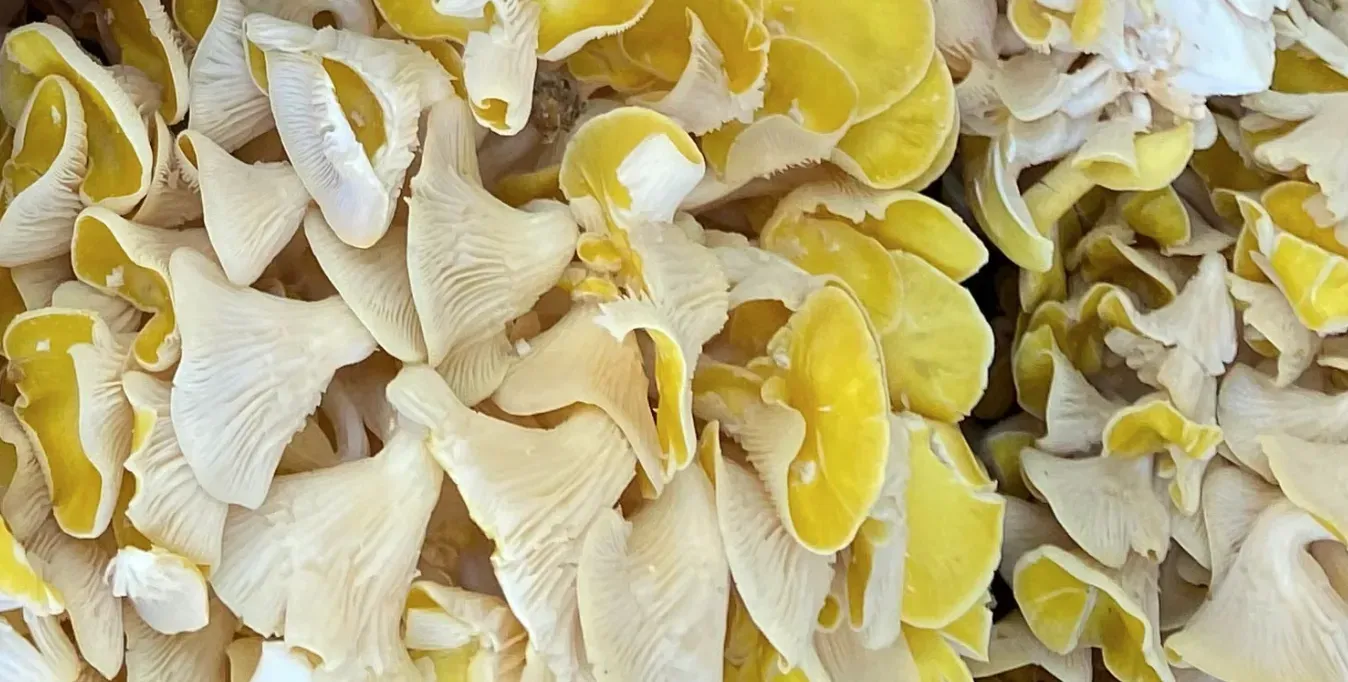
Golden Oyster Mushroom
Pleurotus citrinopileatus
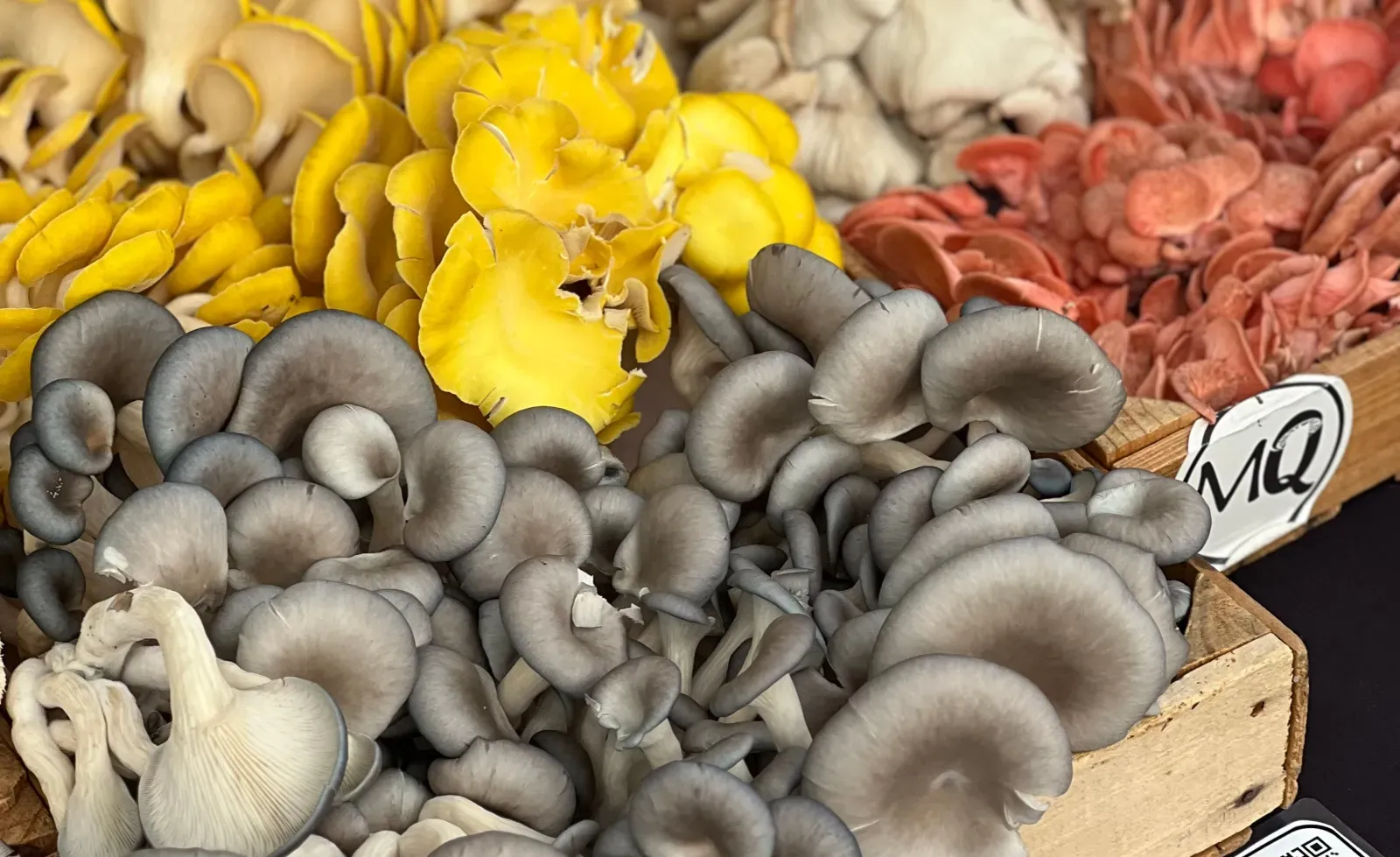
Oyster Mushroom
Pleurotus ostreatus
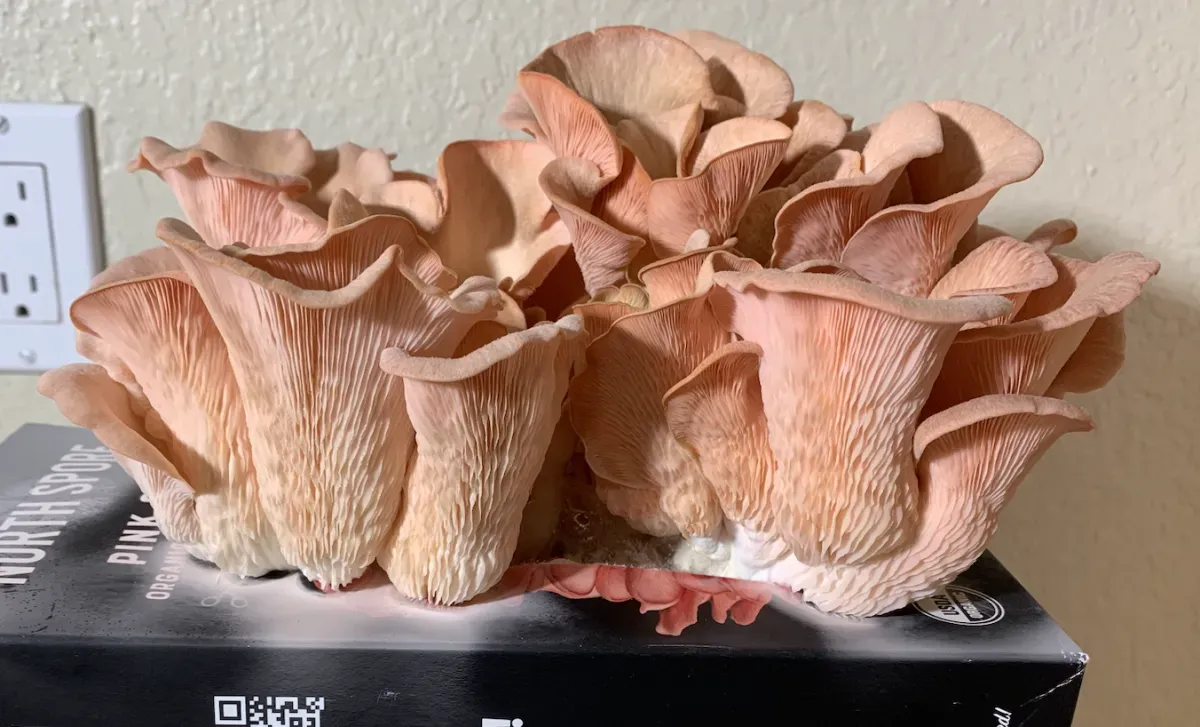
Pink Oyster Mushroom
Pleurotus djamor
King Stropharia
Stropharia rugosoannulata
Enoki
Flammulina filiformis / Flammulina velutipes
Lion's Mane
Hericium erinaceus
Reishi
Ganoderma lucidum
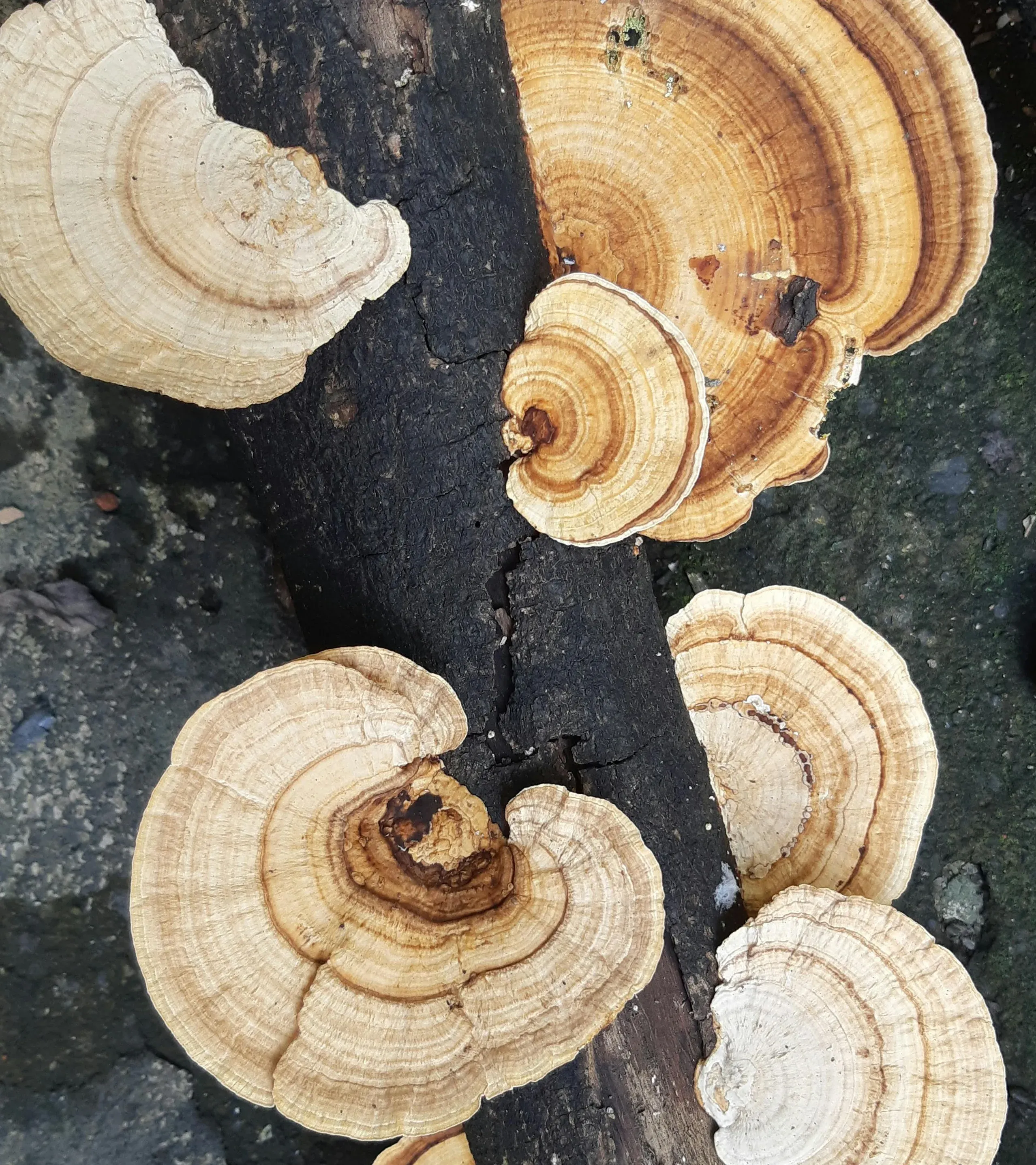
Turkey Tail
Trametes versicolor
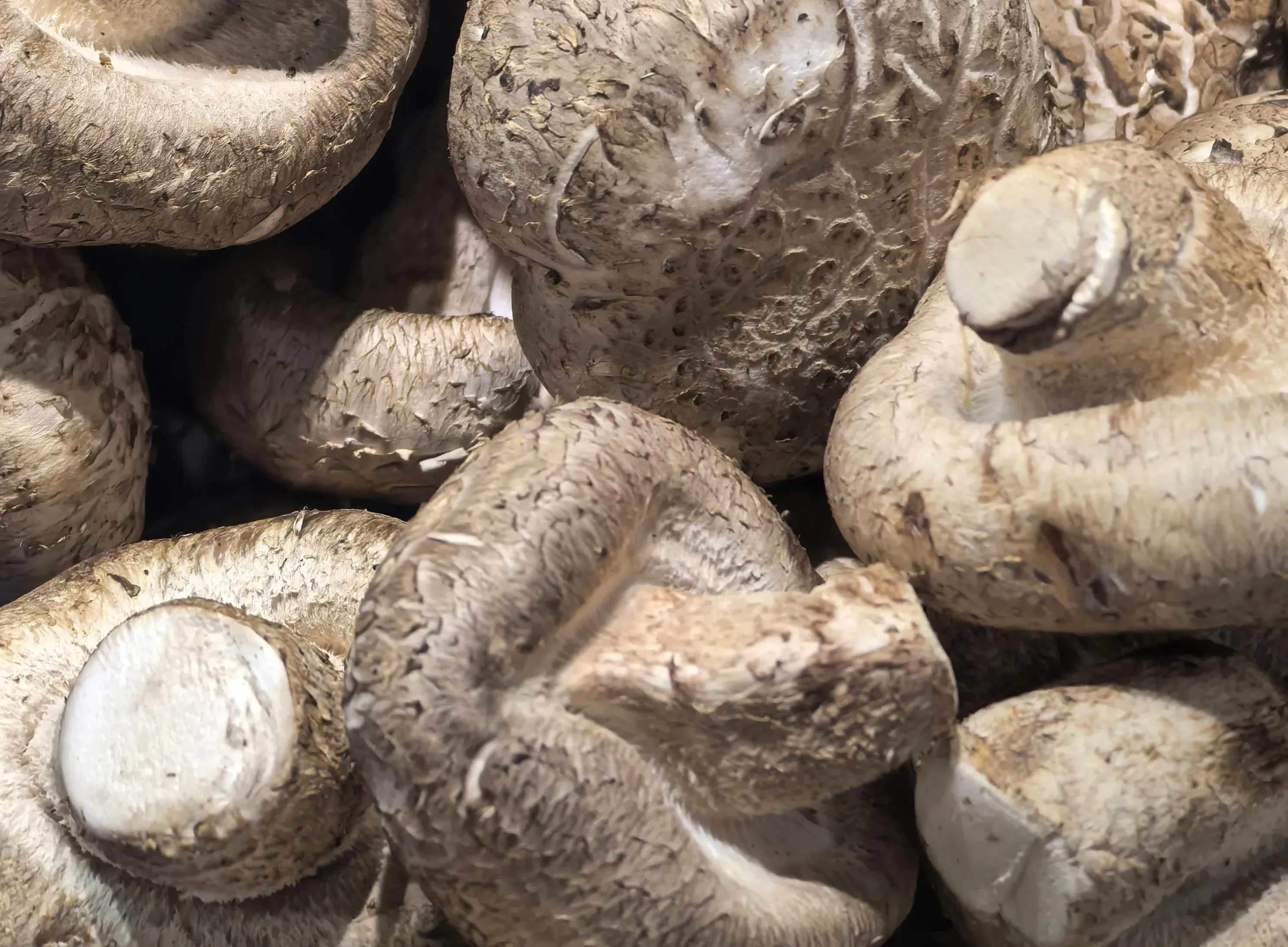
Shiitake
Lentinula edodes
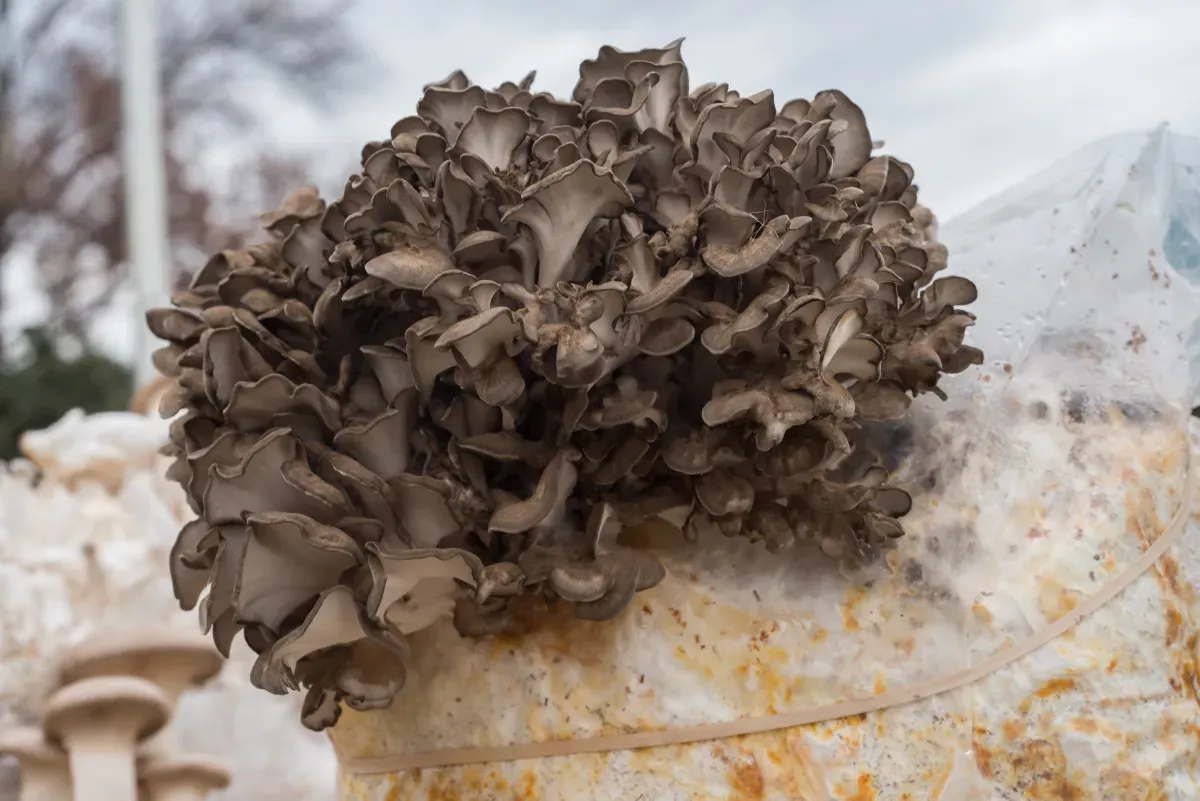
Maitake
Grifola frondosa
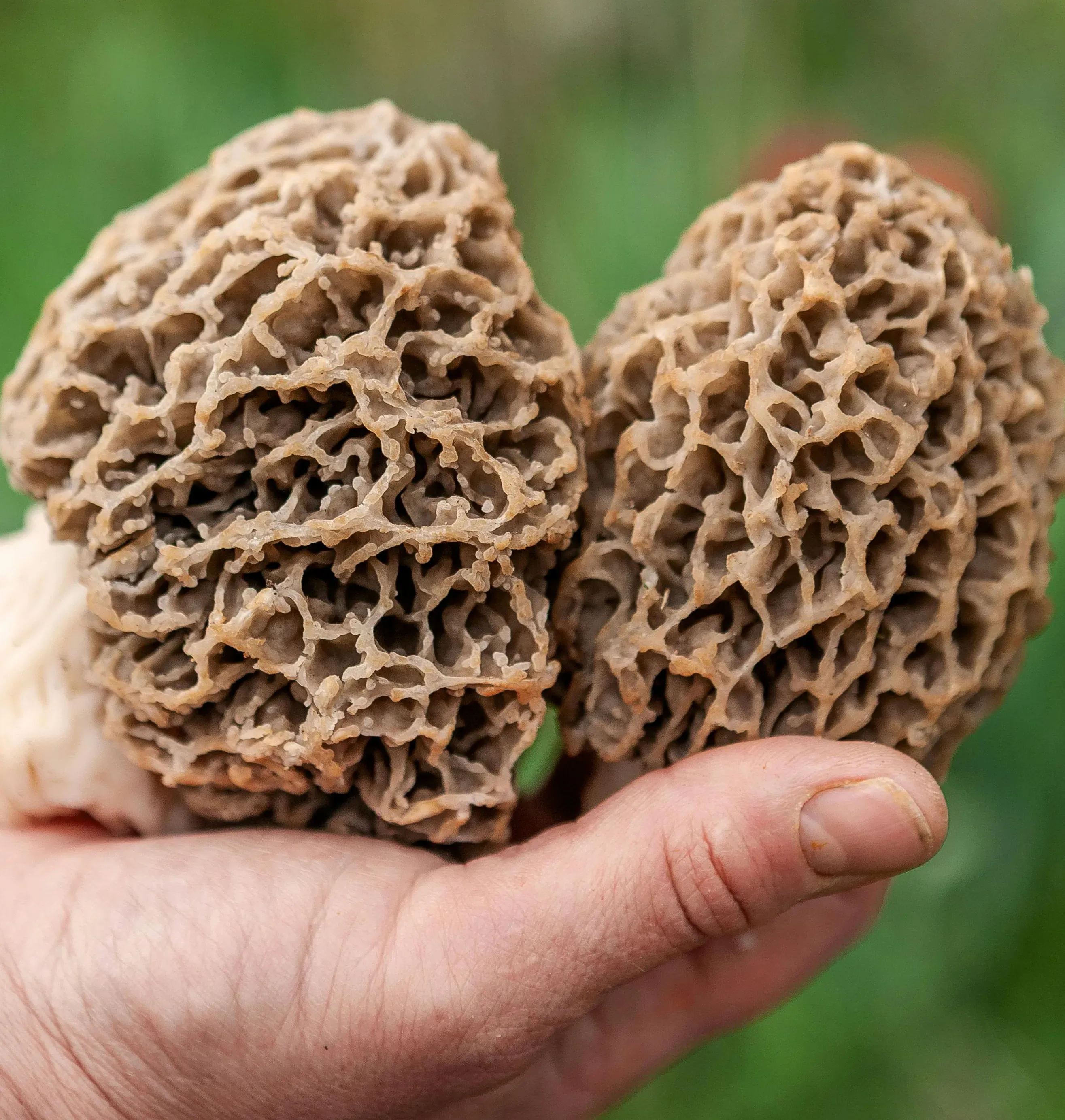
Morel
Morchella importuna
How we rate growing difficulty
The 1–5 difficulty number on every species page combines four things: how much sterile technique the species demands, how forgiving it is of environmental drift, how aggressively the mycelium outcompetes contamination, and how long it takes from inoculation to first harvest. A difficulty 1 species can be grown from a kit on a kitchen counter; a difficulty 5 species (morel) is a multi-year project with a high rate of complete failure even when done right.
On the current site:
- 1 (Beginner): Oyster — kit-friendly, fast, contamination-resistant.
- 1.5–2 (Easy): King stropharia, lion's mane, reishi, turkey tail — accessible with reasonable care.
- 3 (Moderate): Shiitake — straightforward on logs, more demanding on supplemented sawdust bags because of the long browning phase.
- 5 (Expert): Morel — the only difficulty 5 species on the site, and the rating is honest.
New to mushroom cultivation?
If you're choosing a species but haven't decided on a method yet — kit, bag, monotub, or log — start with our complete beginner guide. It walks through the trade-offs between methods, what you actually need to control, and the five places first grows go wrong.